Behind every number,
something worth understanding.
Your result gives you information. Here, we explore what it measures, what can affect it, and a question to bring to your clinician.
Reviewed by Atheal’s health teamAll markers
145 markers and testsExplore markers by the part of your health they help explain. Each guide puts the result in context; which tests you need depends on your situation.
A place to start
Six guides to names you might see on your report.

Glycated Hemoglobin (HbA1c)
An estimate of your average blood glucose over roughly three months.

Ferritin
A marker of stored iron that also responds to inflammation.

LDL Cholesterol (Martin-Hopkins calculation)
An estimate of LDL cholesterol using your standard lipid results.

Thyroid Stimulating Hormone (TSH)
TSH is the brain's signal to the thyroid and often the starting point for checking thyroid function.

Vitamin D (25-OH)
The usual blood marker for vitamin D status.

Creatinine
Creatinine helps estimate kidney filtration, but muscle, food, and medicines also influence the number.
See the idea, step by step
Read the whole picture
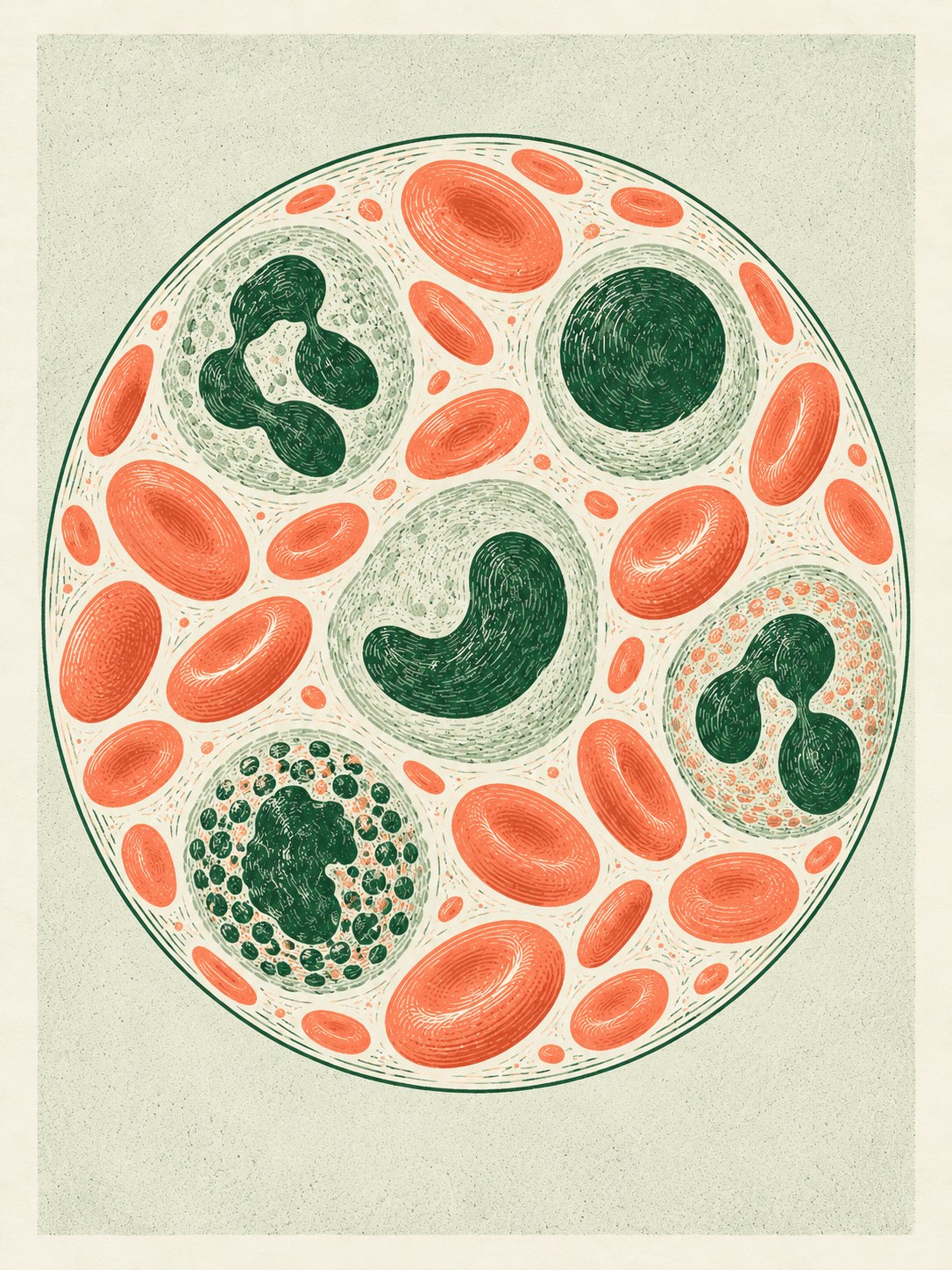
Reading a complete blood count
One sample, several kinds of information: oxygen-carrying cells, immune cells, and platelets.
Reading guideReading iron studies together
Stored iron, circulating iron, and hemoglobin answer different questions.
Reading guideReading thyroid tests together
Start with the control signal and the hormone response, then ask what the other tests add.
Reading guideReading kidney tests together
Filtering blood and keeping albumin out of urine are two different parts of the picture.
Reading guideReading a urinalysis
Appearance, chemical testing, and microscopy each reveal a different part of the sample.
Reading guideUnderstanding units, ranges, and targets
The number, its unit, and the question being asked belong together.
Blood cells & proteins17
Cell counts, cell size, hemoglobin types, and blood-protein patterns.
RBCRBC CountA count of the cells that carry oxygen around your body.
HbHemoglobinThe oxygen-carrying protein inside your red blood cells.
HctHematocritThe share of your blood volume occupied by red blood cells.
MCVMean Corpuscular Volume (MCV)The average size of your red blood cells.
MCHMean Corpuscular Hemoglobin (MCH)The average amount of hemoglobin inside each red blood cell.
MCHCMean Corpuscular Hemoglobin Concentration (MCHC)How concentrated hemoglobin is within your red blood cells.
RDWRed Cell Distribution Width (RDW)How much your red blood cells differ in size.
WBCWBC CountThe total number of white blood cells in your blood.
PLTPlatelet CountThe number of cell fragments that help your body stop bleeding.
NEUTNeutrophilsWhite blood cells that respond quickly to infection and injury.
LYMPHLymphocytesWhite blood cells involved in targeted immune responses.
MONOMonocytesWhite blood cells that help clear germs and damaged material.
EOSEosinophilsWhite blood cells linked to allergies and some parasite responses.
BASOBasophilsA small group of white blood cells involved in allergic signaling.
BLOOD FILMPeripheral Blood Film ConsultationA blood film adds a closer look at the cells behind your blood-count numbers.
Hb EPHemoglobin ElectrophoresisHemoglobin electrophoresis identifies the types of oxygen-carrying hemoglobin in your blood.
SPEPProtein Electrophoresis in SerumSerum protein electrophoresis shows the pattern of proteins in your blood.
Blood sugar & insulin5
Blood glucose and the body’s response to insulin over time.

FPGGlucose (Fasting)Your blood sugar at a defined point after fasting.
HbA1cGlycated Hemoglobin (HbA1c)An estimate of your average blood glucose over roughly three months.
InsulinInsulinA hormone measurement that makes sense only alongside glucose and timing.
HOMA-IRHOMA-IRA fasting glucose-and-insulin estimate used to study insulin resistance.
QUICKIQUICKIA research estimate of insulin sensitivity from fasting insulin and glucose.
Heart & cholesterol11
Blood fats and the particles carrying them, within the wider picture of heart health.
TCCholesterol (Total)The combined cholesterol carried by different particles in your blood.
HDL-CHDL CholesterolCholesterol carried in HDL particles, one part of your heart-risk picture.
LDL-CLDL Cholesterol (Martin-Hopkins calculation)An estimate of LDL cholesterol using your standard lipid results.
Non-HDL-CNon-HDL CholesterolCholesterol in the blood particles that can contribute to artery plaque.
TGTriglyceridesA type of fat your body uses to store and transport energy.
TC/HDLTotal Cholesterol-to-HDL RatioA comparison of total cholesterol with the amount carried by HDL.
TG/HDLTriglyceride-to-HDL RatioA calculated lipid pattern studied in relation to insulin resistance.
AIPAtherogenic Index of PlasmaA research calculation based on triglycerides and HDL cholesterol.
ApoA1Apolipoprotein A1ApoA1 adds information about the protein carried in HDL particles.
ApoBApolipoprotein BApoB helps estimate the number of cholesterol-carrying particles that can enter artery walls.
Lp(a)Lipoprotein(a) — Lp(a)Lp(a) is a largely inherited cholesterol-carrying particle that can add to cardiovascular risk.
Thyroid7
Thyroid hormones, antibodies, and tests used in thyroid follow-up.
TSHThyroid Stimulating Hormone (TSH)TSH is the brain's signal to the thyroid and often the starting point for checking thyroid function.
FT4Free T4Free T4 measures thyroid hormone that is not attached to proteins and helps make sense of TSH.
FT3Free T3Free T3 can help answer selected thyroid questions, but it is not a stand-alone metabolism score.
FT3/FT4Free T3-to-Free T4 RatioThis ratio compares two thyroid hormones and remains a research measure, rather than a treatment goal.
Anti-TPOAnti-TPO (Thyroid Peroxidase Antibodies)Anti-TPO helps identify an immune response involving the thyroid, not its current hormone output.
TgAbAnti-Thyroglobulin AntibodiesThese antibodies can help explain thyroid findings and affect how thyroglobulin is measured.
TgThyroglobulinThyroglobulin is mainly useful for specific thyroid follow-up, especially after certain cancer treatments.
Reproductive health13
Hormones related to the menstrual cycle, testosterone, pregnancy, and fertility assessment.
E2Estradiol (E2)Estradiol is a form of estrogen whose meaning changes with your life stage and the timing of the test.
FSHFollicle Stimulating Hormone (FSH)FSH is a signal from the brain to the ovaries or testes; we interpret it alongside their response.
LHLuteinizing Hormone (LH)LH helps coordinate ovulation and testosterone production, so timing is part of the result.
LH/FSHLH-to-FSH RatioThe LH-to-FSH ratio compares two reproductive signals, but it cannot diagnose PCOS on its own.
Free TTestosterone (Free)Free testosterone is the small share of testosterone not attached to blood proteins.
Total TTestosterone (Total)Total testosterone is a starting point for a hormone assessment, interpreted with symptoms and testing conditions.
T/E2Testosterone-to-Estradiol RatioThis ratio compares testosterone with estradiol, but it is not a universal hormone-balance target.
PRLProlactinProlactin supports milk production and can also help explain certain changes in periods, fertility, or sexual function.
PROGProgesteroneProgesterone is a hormone whose meaning changes with the timing of your cycle.
FAIFree Androgen IndexThe free androgen index is a calculated clue to androgen availability, with specific limits.
SHBGSex Hormone Binding Globulin (SHBG)SHBG helps explain how much circulating testosterone is bound to a carrier protein.
AMHAnti-Mullerian HormoneAMH gives information about ovarian follicle activity, without predicting your fertility on its own.
hCGPregnancy TestA pregnancy test looks for hCG, and testing too early can miss a pregnancy.
Adrenal hormones4
Cortisol and adrenal hormones, where timing and the reason for testing matter.
DHEA-SDHEA-SDHEA-S helps investigate adrenal androgen production; it is not a score for energy or youth.
DHEA-S/CortisolDHEA-S-to-Cortisol RatioThis research-oriented ratio compares two adrenal hormones; it cannot diagnose burnout or “adrenal fatigue.”
Cortisol AMCortisol (AM)Morning cortisol helps answer selected adrenal questions; it is not a direct measure of everyday stress.
PM CORTISOLCortisol in Serum (PM)Afternoon or evening cortisol must be interpreted against the time it was collected.
Kidneys8
Kidney filtration, albumin in urine, and how these results fit together.
CreatinineCreatinineCreatinine helps estimate kidney filtration, but muscle, food, and medicines also influence the number.
eGFReGFReGFR estimates how quickly your kidneys filter blood; trends and urine albumin help give it meaning.
BUNBlood Urea Nitrogen (BUN)BUN measures part of a protein-breakdown waste product and adds context to a kidney assessment.
BUN/CrBUN-to-Creatinine RatioThis ratio compares two waste products, but cannot reliably tell dehydration from kidney injury by itself.
Uric acidUric AcidUric acid helps assess gout and some kidney-stone questions, but a high number alone does not diagnose gout.
CysCCystatin CCystatin C offers another way to estimate how well your kidneys filter blood.
U-CrCreatinine in UrineUrine creatinine helps put other urine measurements into context.
uACRMicroalbuminuria, Random Urine (Alb-Creat Ratio)The urine albumin-to-creatinine ratio can detect small amounts of albumin leaking into urine.
Liver & digestion13
Liver enzymes, bilirubin, proteins, and the digestive enzyme lipase.
ALTAlanine Aminotransferase (ALT)ALT is a signal of liver-cell irritation or injury, rather than a direct measure of how well the liver works.
ASTAspartate Aminotransferase (AST)AST can rise from liver or muscle sources, so the surrounding results make a difference.
ALPAlkaline PhosphataseALP can come from the liver or bone, and the first question is where a change is coming from.
GGTGamma Glutamyl Transferase (GGT)GGT adds context to liver and bile-duct tests, especially when ALP is raised.
Direct bilirubinBilirubin (Direct)Direct bilirubin helps show what happens after the liver has processed bilirubin for removal.
Total bilirubinBilirubin (Total)Total bilirubin reflects the combined amount of a pigment your body makes when recycling red blood cells.
Indirect bilirubinIndirect BilirubinIndirect bilirubin helps distinguish bilirubin production from the liver's ability to process it.
AlbuminAlbuminAlbumin helps keep fluid in your bloodstream and carries many substances around the body.
Total proteinTotal ProteinTotal protein adds together the main proteins in blood, but the balance between them matters too.
A/GAlbumin-to-Globulin RatioThe A/G ratio shows the balance between albumin and globulins, two major groups of blood proteins.
AST/ALTAST-to-ALT Ratio (De Ritis Ratio)The AST-to-ALT ratio can describe a liver-enzyme pattern, but it is a clue rather than a diagnosis.
GGT/ALPGGT-to-ALP RatioThis ratio compares two enzymes, but reading GGT and ALP together is more established than using a ratio target.
LipaseLipaseLipase mainly helps investigate pancreatic problems, even when it appears beside liver tests on a report.
Urinalysis19
Urine appearance, dipstick findings, and what microscopy adds.
COLORUrine ColorUrine color offers a clue about concentration, foods, medicines, and sometimes health changes.
CLARITYUrine Clarity / AspectClarity describes how transparent or cloudy your urine sample looks.
SGUrine Specific GravitySpecific gravity tells us how concentrated your urine is at the time of collection.
pHUrine pHUrine pH describes how acidic or alkaline your urine is.
LEUrine Leukocyte EsteraseThis urine strip checks for an enzyme released by white blood cells.
NITUrine NitriteNitrites can be a clue that certain bacteria are present in your urine.
PROUrine ProteinUrine protein checks whether more protein than expected is leaving through your kidneys.
GLUUrine GlucoseGlucose in urine is a clue to how blood sugar and kidney glucose handling interact.
KETUrine KetonesUrine ketones show that your body has been using fat as a fuel source.
BILUrine BilirubinBilirubin in urine can help flag a change in liver processing or bile flow.
UROUrine UrobilinogenUrobilinogen adds context to how your body breaks down and clears bilirubin.
BLDUrine BloodA positive urine blood strip is a signal to check what is causing the reaction.
U-HbHemoglobin (Urine)This result needs a distinction between free hemoglobin and a general blood-strip reaction.
U-RBCUrine RBCs (microscopic)Microscopy counts red blood cells that are actually present in the urine sample.
U-WBCUrine Pus Cells / WBCs (microscopic)Urine white cells can point to inflammation, but they do not identify its cause alone.
CASTSUrine CastsCasts are tiny molds formed inside kidney tubules, and their type matters.
CRYSTALSUrine CrystalsCrystals are particles of dissolved substances that have settled out of urine.
EPITHUrine Epithelial CellsEpithelial cells come from body surfaces, and their origin helps explain the result.
AMORPHUrine Amorphous ElementsAmorphous material is often a collection of tiny salts without a clear crystal shape.
Nutrients & iron20
Vitamins, iron, and the trace minerals the body needs in small amounts.

ZnZincZinc supports healing, taste, and many cell functions; testing is most useful when there is a reason to suspect a problem.
CuCopperCopper supports iron handling, nerves, and connective tissue, but its blood level needs context.
Zn/CuZinc-to-Copper RatioThis calculated ratio compares two minerals, but it is not a validated personal inflammation or longevity target.
B12Vitamin B12A vitamin needed for healthy nerves and red blood cells.
25-OH DVitamin D (25-OH)The usual blood marker for vitamin D status.
FerritinFerritinA marker of stored iron that also responds to inflammation.
FolateFolic AcidA vitamin marker that helps explain certain types of anemia.
IronIronThe iron circulating in your blood at the time of the sample.
TIBCTotal Iron Binding Capacity (TIBC)How much iron the blood transport proteins could carry.
TSATTransferrin SaturationThe share of your iron transport capacity currently carrying iron.
B7Vitamin B7 (Biotin)Biotin supports normal nutrient metabolism, but a blood level has important limits.
PLPVitamin B6 (Pyridoxal Phosphate)PLP measures an active form of vitamin B6 involved in nerves and blood-cell production.
VIT EVitamin E (Alpha-Tocopherol)Alpha-tocopherol measures the main form of vitamin E used by your body.
B1Vitamin B1 (Thiamin)Thiamin supports energy use and nerve function, and testing depends on the sample method.
B2Vitamin B2 (Riboflavin)Riboflavin helps cells release energy from food and supports other vitamin pathways.
VIT CVitamin C (Ascorbic Acid)Vitamin C supports connective tissue and iron absorption, but blood levels change with intake.
VIT AVitamin A (Retinol)Retinol helps assess vitamin A when there is a reason to suspect deficiency or excess.
SeSelenium in Serum / PlasmaSelenium is needed in small amounts, and excess is not an advantage.
CPCeruloplasminCeruloplasmin helps investigate how the body handles copper.
HcyHomocysteineHomocysteine can offer clues about vitamin pathways and kidney function, with limited value on its own.
Electrolytes & mineral balance9
Minerals involved in fluid balance, nerves, muscles, and bones.
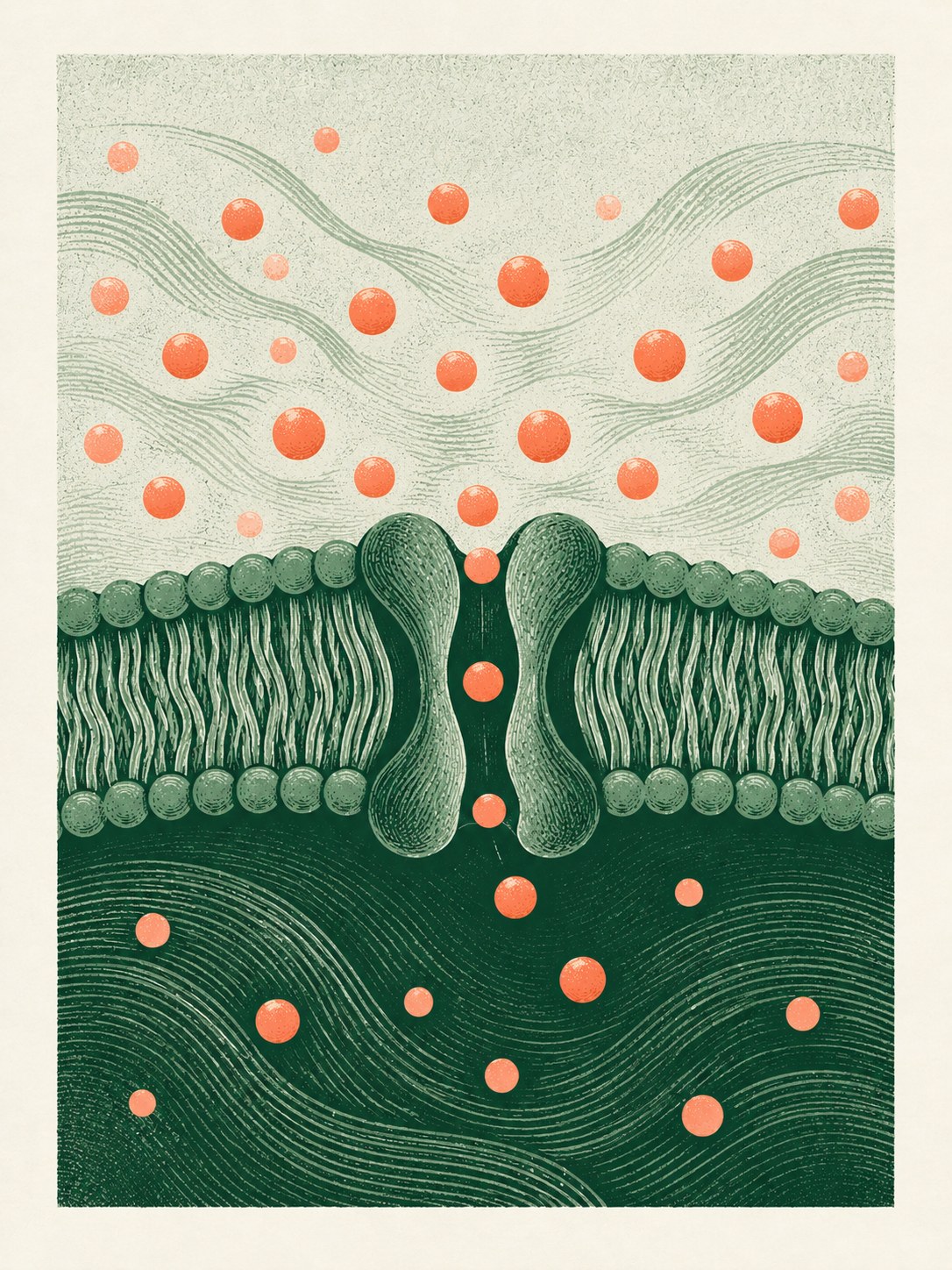
NaSodiumSodium helps us understand how your body balances water and keeps nerves and muscles working.
KPotassiumPotassium supports your heartbeat and muscle function, so a reliable measurement matters.
ClChlorideChloride adds useful context to your fluid balance and the balance of acids in your blood.
MgMagnesiumMagnesium helps muscles, nerves, and the heart work together, but a blood test sees only part of the picture.
CaCalcium (Total)Total calcium shows how much calcium is circulating in your blood, including the part attached to proteins.
Ca adj.Corrected CalciumCorrected calcium is an estimate that adjusts total calcium for albumin, with important limits.
PPhosphorusPhosphorus helps your body use energy and build bone; its blood level also reflects how the kidneys manage it.
Ca × PCalcium × Phosphorus ProductThis calculated product combines calcium and phosphorus, but the two individual results remain more useful for care.
Na/KSodium-to-Potassium RatioThis ratio compares sodium with potassium in blood; it does not tell us how much salt or potassium you eat.
Inflammation & immunity6
Inflammation signals and tests used to investigate particular immune symptoms.
CRPC-Reactive Protein (CRP), quantitativeA blood protein that rises when your body responds to inflammation.
NLRNeutrophil-to-Lymphocyte RatioA calculated comparison between two types of white blood cells.
PLRPlatelet-to-Lymphocyte RatioA calculated comparison of platelets with lymphocytes.
CARCRP-to-Albumin RatioA research ratio combining an inflammation marker with a blood protein.
RFRheumatoid Factor (RF), quantitativeRheumatoid factor can support an assessment of joint symptoms, but cannot diagnose arthritis alone.
ANAAntinuclear Antibodies (ANA)ANA looks for antibodies that can be associated with autoimmune conditions and also occur without disease.
Muscles1
Muscle enzymes in the context of symptoms, exercise, and medicines.
Biological age1
Research estimates combining several markers, with limits for individual interpretation.
Metal exposure3
Tests chosen around the suspected source and timing of an exposure.
Tumour markers8
Tests for specific assessments and follow-up, rather than a general cancer-screening panel.
PSAProstate-Specific Antigen (PSA), TotalTotal PSA is a prostate-related blood marker that needs a personal reason for testing.
FREE PSAProstate-Specific Antigen (PSA), FreeFree PSA helps refine the meaning of total PSA in selected situations.
F/T PSAF/T PSA RatioThis calculated ratio compares free PSA with the total amount of PSA.
AFPAlpha-Fetoprotein (AFP)AFP is useful for specific liver or tumor assessments, not a general cancer check.
CA 125CA 125CA 125 supports selected ovarian assessments and follow-up, but cannot screen most healthy people for cancer.
CA 15-3CA 15-3CA 15-3 can add information during treatment of metastatic breast cancer; it is not a screening test.
CA 19-9CA 19-9CA 19-9 can support pancreatic or bile-duct assessment, but is not a general cancer screen.
CEACarcinoembryonic Antigen (CEA)CEA is used mainly to follow certain known cancers over time.
No matches yet. Try another name or the test abbreviation.